Regenerative therapies · Carlsbad, in person
INDIBA® TECAR therapy
A noninvasive radiofrequency therapy that works from the inside out to reduce inflammation, support tissue repair and ease pain, for both recent injuries and long-standing conditions.
What is TECAR?
Transfer of Energy, Capacitive and Resistive
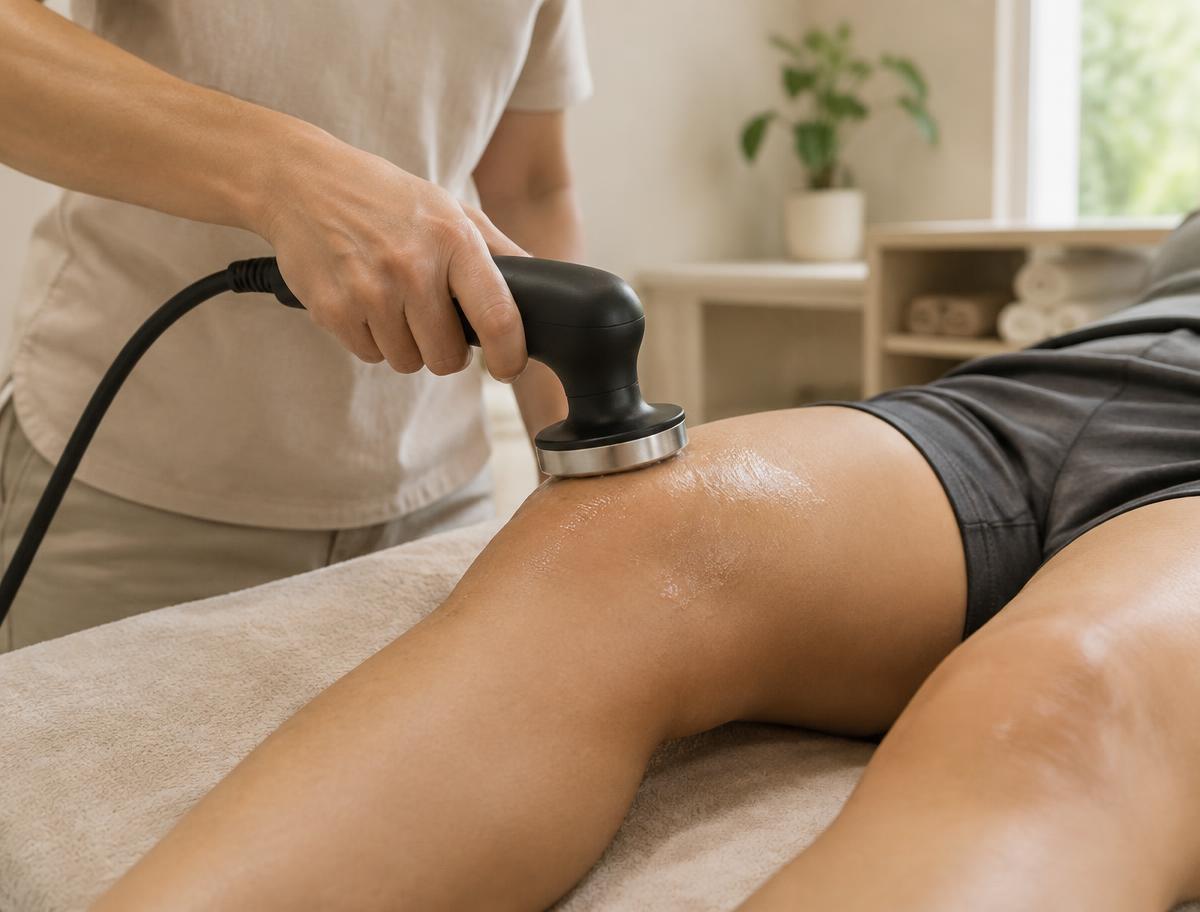
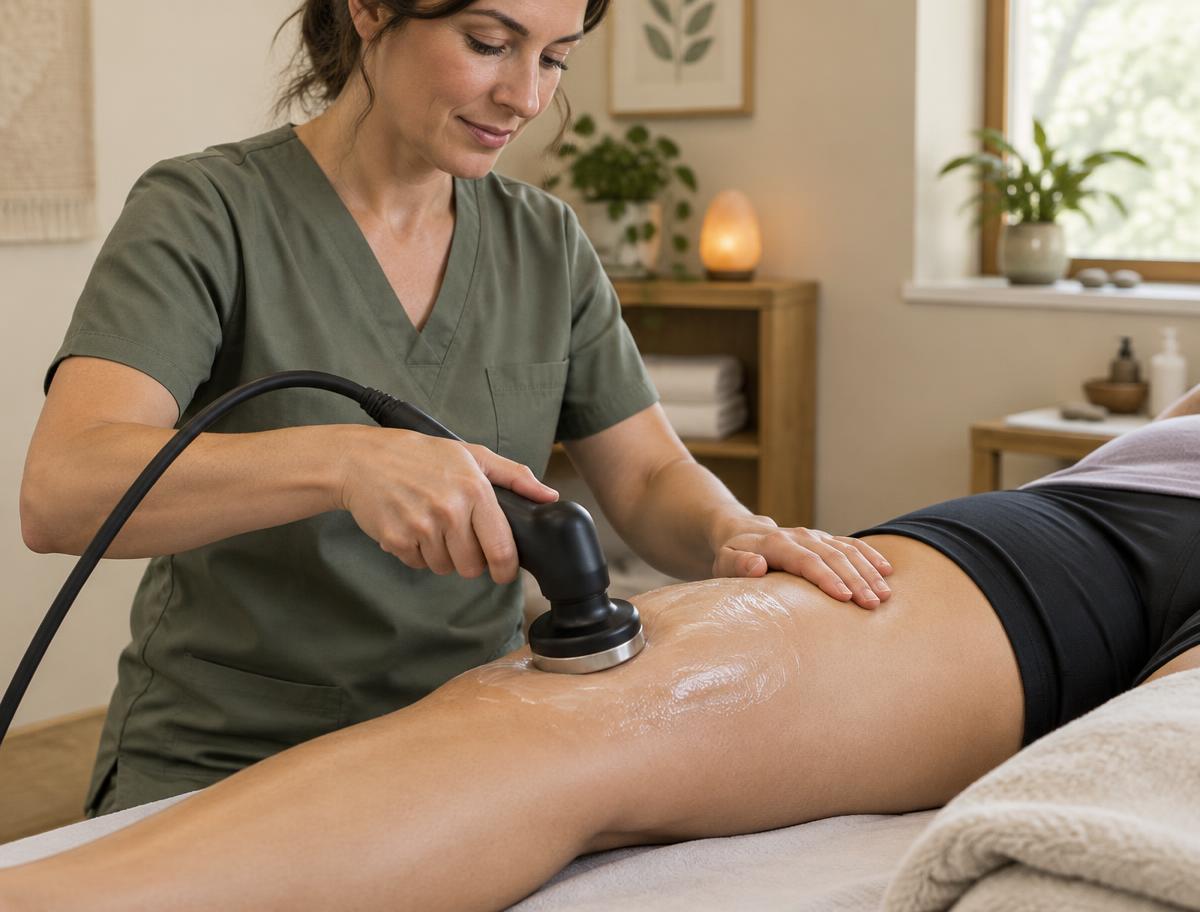
Most heat-based therapies work from the outside in, which limits how deeply they can reach before the skin gets too warm. TECAR works differently. INDIBA uses a specific radiofrequency of 448 kHz that passes between a handheld applicator and a return plate, gently stimulating the tissue in between.
This stimulates normal cell metabolism and circulation throughout the treated area, not just at the surface. Research on the 448 kHz frequency points to effects on inflammation, cellular energy and the activity of the cells involved in tissue repair.
Adapted to your needs
Acute and chronic care
INDIBA can be adjusted to the stage of healing by changing how the energy is delivered.
Recent injuries
For recent strains, new swelling or healing surgical sites, we use a sub-thermal mode, so you feel little or no heat. This can help:
- Calm acute pain
- Reduce acute inflammation
- Support early tissue repair without aggravating delicate tissue
Chronic conditions
For long-standing stiffness, joint wear and degenerative conditions, we use a thermal mode that adds:
- Deep, soothing internal warmth
- Increased local blood flow
- Better oxygen and nutrient delivery to tissue
- Relaxation of chronic stiffness and tension
With INDIBA TECAR therapy
Conditions we treat
In the United States, INDIBA is FDA-cleared for the relief of minor muscle aches and pains, relief of muscle spasm, and temporary increase in local blood circulation. Based on clinical research and your doctor's assessment, we may also use it as part of care for the following (off-label uses):
Musculoskeletal support & athletic recovery
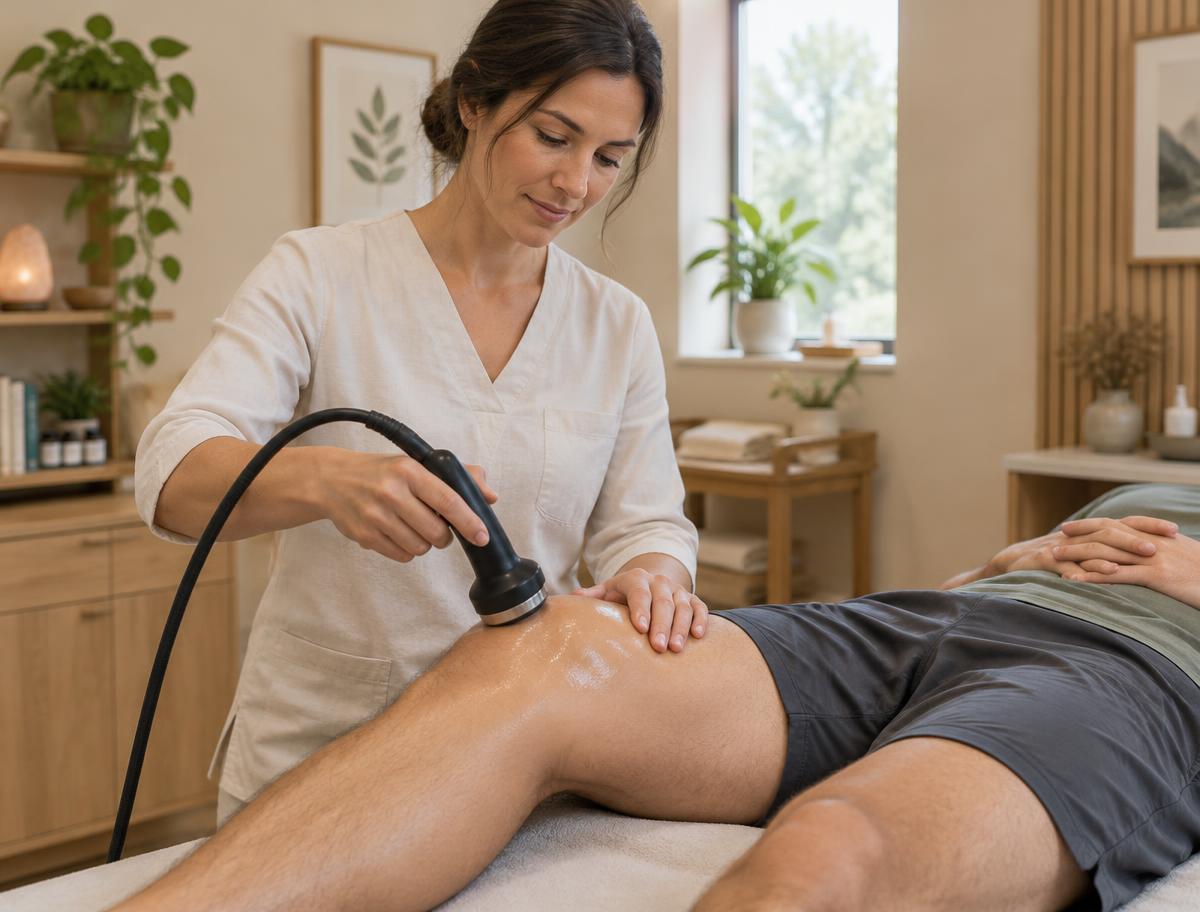
For athletes and active adults, TECAR therapy can support recovery, reduce inflammation and help restore mobility. We use it extensively as part of comprehensive, natural pain management and for arthritis and injuries, including muscle strains, tendon irritation and joint stiffness.
Post-surgical recovery & fracture healing
After surgery, TECAR therapy can help manage post-operative swelling and soften surgical scars. By increasing local cellular activity and blood flow, research suggests it may support the bone-healing process after fractures.
Vagus nerve & nervous system support
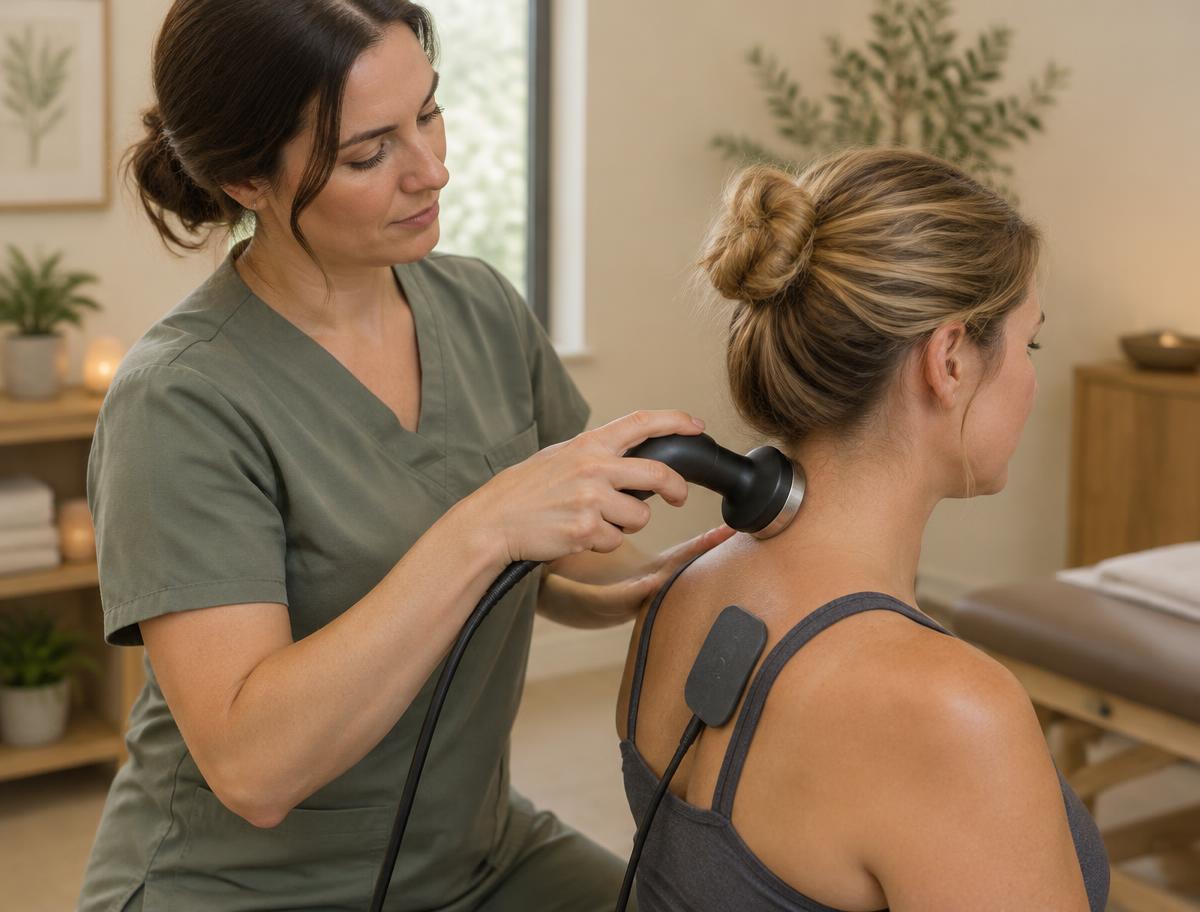
A regulated nervous system is part of whole-person care. Rather than stimulating the nerve directly, TECAR therapy increases local circulation and relaxes the deep tissues of the neck and upper cervical spine that surround vagus nerve pathways. We often use it alongside breathing work and other stress-regulation tools, including in some digestive care plans.
Digestive health careConcussion & head-injury recovery
After a head injury, the health of the neck is closely tied to recovery. TECAR therapy can gently release deep neuromuscular tension, address local inflammation and improve circulation in the cervical spine as one part of a broader plan.
Pelvic health
The pelvic floor is a deep layer of muscle and fascia that is prone to tension, scar tissue and poor circulation, which can contribute to conditions such as chronic pelvic pain syndrome. TECAR therapy reaches these tissues noninvasively, supporting blood flow and relaxing chronic muscle spasm.
Skin, collagen & connective tissue
At lower, precise settings TECAR therapy supports collagen and elastin for facial and neck skin. At higher thermal settings it can soften dense, fibrotic tissue and support fluid movement, which makes it a supportive tool for cellulite and lipedema.
Fascia & scar tissue
Restoring glide to restricted tissue
Fascia is the continuous web of connective tissue around every muscle, bone, nerve and organ. After injury, surgery or repetitive strain it can become dehydrated, dense and restricted, and the body may lay down thick scar tissue that limits movement. Hands-on therapy alone often can't reach these deeper layers.
TECAR therapy reaches deep fascial planes and scarred areas, and its internal warmth helps soften scar tissue and restore hydration, elasticity and glide. Releasing these restrictions can reduce pain and improve how the area moves.
Protocol
What to expect
- 01
Free 15-minute call
If you're interested in TECAR therapy, start with a free 15-minute call so we can confirm it's an appropriate tool for your situation.
- 02
Assessment & first session
Your visit includes a musculoskeletal assessment followed by your TECAR session. In thermal mode you'll feel a deep, relaxing warmth. Many patients leave more comfortable and relaxed, and some notice they feel even better the next day.
- 03
Your plan
Plans are individualized, but a typical protocol is one session per week for five weeks, often combined with low-level laser therapy. Some patients then move to a maintenance plan.
Free 15-minute consultation • Virtual (CA & WI) or Carlsbad in-person
Combined treatments
TECAR therapy with low-level laser therapy
Therapies often work best together. We frequently combine INDIBA TECAR therapy with low-level laser therapy. TECAR warms tissue and increases circulation through the treated area. Low-level laser delivers specific wavelengths of light that support mitochondrial function, the energy production inside cells, in the tissue being treated.
Both are noninvasive and painless ways to stimulate healing in an area, and they complement each other within a single plan.
Explore low-level laser therapy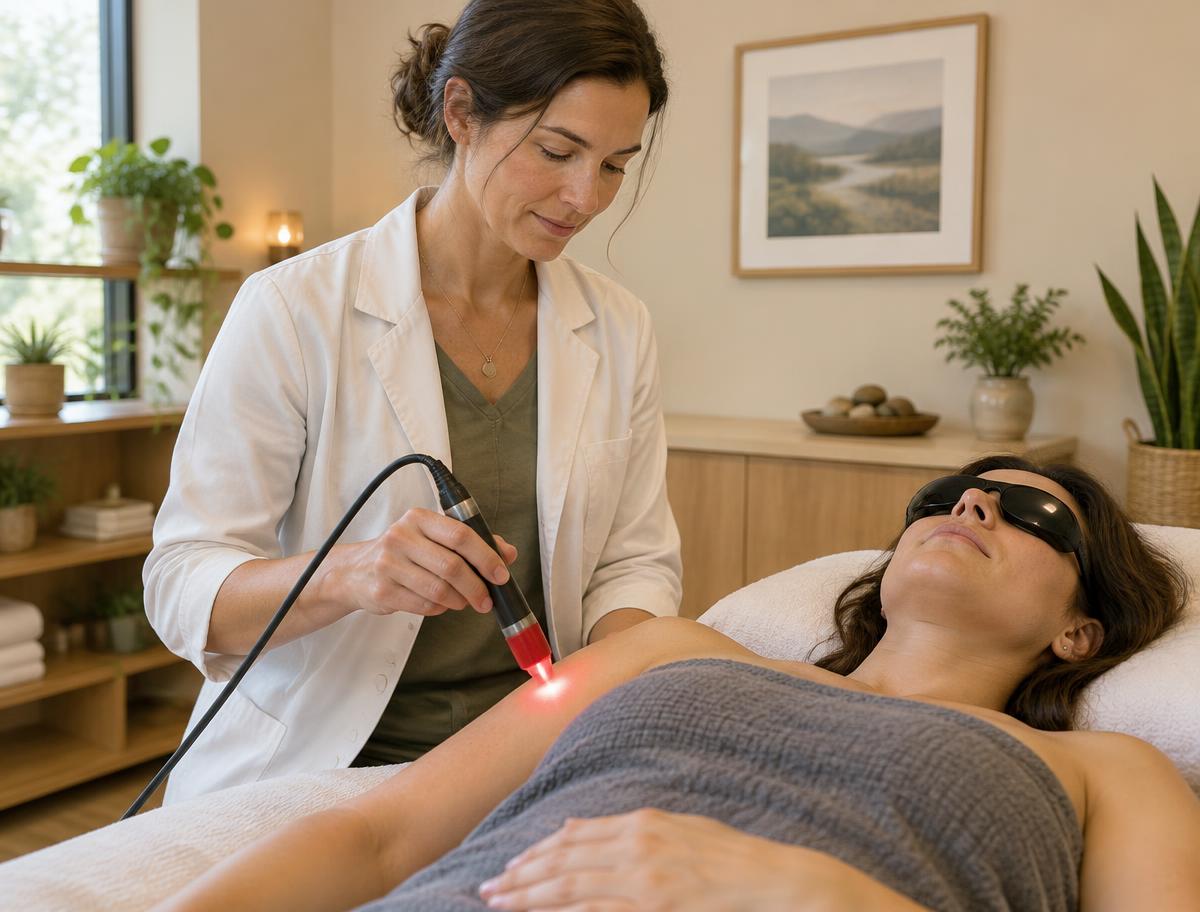
INDIBA vs. other TECAR devices
INDIBA developed TECAR therapy, and many other devices now try to copy it. Its patented 448 kHz frequency is the one most studied in the research literature and is designed to stimulate tissue without damaging it.
Contraindications
TECAR therapy is well tolerated and contraindications are few. It can generally be used over metal implants, pins and joint replacements. We do not treat patients who have:
- Pacemakers or other implanted electronic devices
- Current pregnancy
- Active thrombophlebitis (blood clots)
- Open or actively bleeding wounds
Your doctor screens for these and reviews your history before any session.
Clinical evidence
Scientific research
A growing body of peer-reviewed research studies INDIBA's 448 kHz radiofrequency. A few foundational papers:
Sports medicine & musculoskeletal recovery
A systematic review of capacitive-resistive electric transfer (TECAR) in sports medicine and physiotherapy, covering pain, recovery and return to activity.
Read on PubMedStem cell proliferation & tissue repair
A laboratory study showing that 448 kHz radiofrequency promotes the proliferation of human mesenchymal stem cells, which are involved in tissue regeneration.
Read on PubMedChronic pelvic pain syndrome
A randomized controlled trial evaluating this radiofrequency approach as a noninvasive option for chronic pelvic pain.
Read on PubMedDeep tissue heating: the “inside-out” effect
A study measuring how 448 kHz radiofrequency builds and retains heat in deeper tissues compared with surface heat.
Read on PubMed
More studies are in the INDIBA scientific literature library.
Questions? Call 760-306-4842 · See all services
Start with a free 15-minute call.
Every new patient begins here — including lab reviews. Or call 760-306-4842.